
Categories
Buying Tips, Real Estate AdvicePublished November 8, 2026
Buying vs. Renting in Your Mid-20s: The Pros and Cons

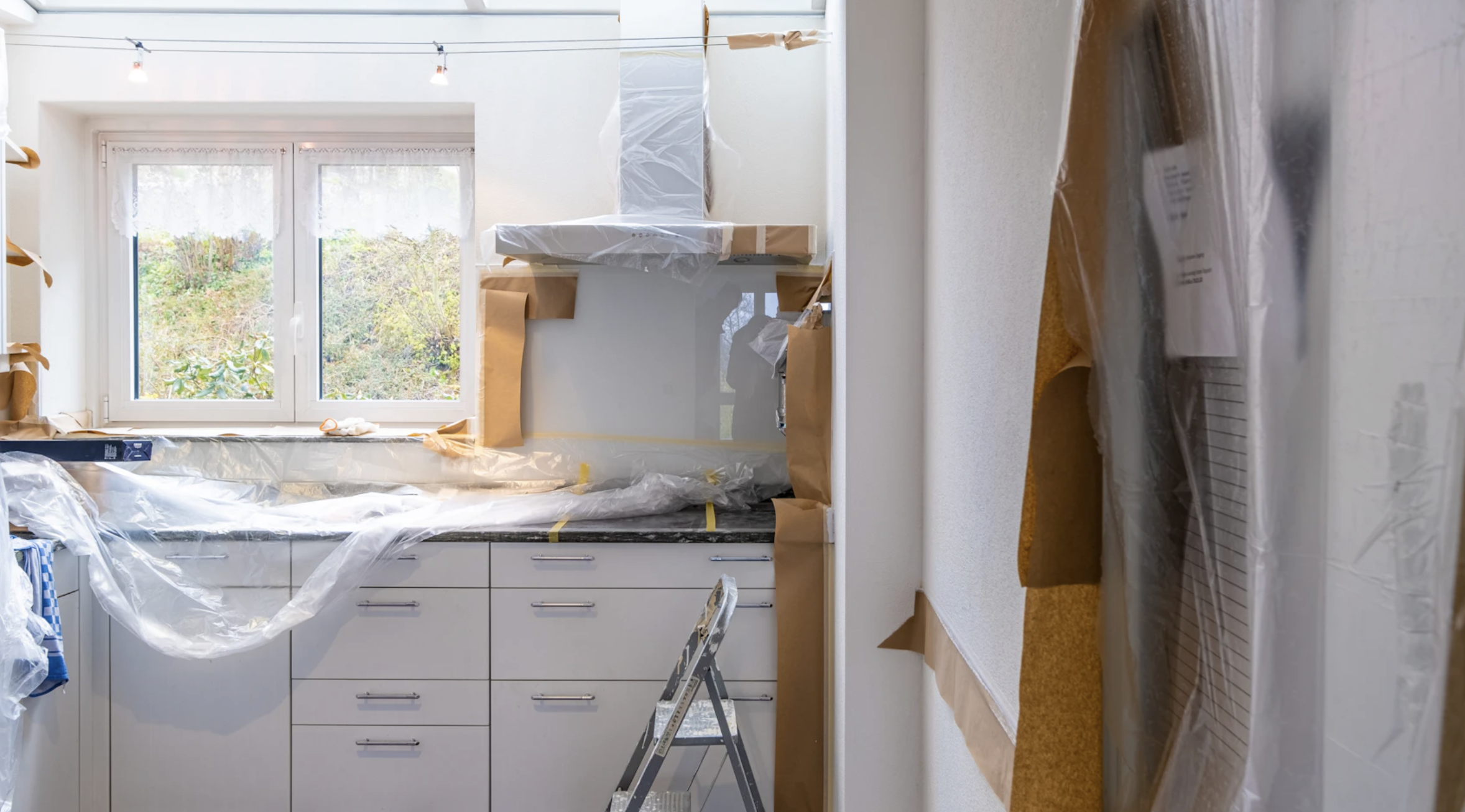
Your mid-20s are full of big decisions. You may be starting a career, paying off student loans, or thinking about where you want to build your life. Housing is one of the biggest choices on that list, and there’s no single right answer.
The Case for Renting in Your 20s
Renting works well for many young professionals, especially early in a career. Here’s why people choose it:
- Lower upfront costs, with no down payment or closing costs
- Flexibility to move for a new job, relationship, or city
- Maintenance and repairs handled by the landlord
- Predictable, simple monthly housing costs with no property taxes to pay directly
- The chance to try out different neighborhoods before committing
If you aren’t sure where you’ll be in two or three years, renting gives you room to figure it out.
The Downsides of Renting
Renting comes with limits that tend to show up the longer you do it. Here are the most common ones:
- Rent increases at every lease renewal, with no say in the amount
- No equity, so years of payments build nothing for you
- A landlord who can sell the property, change the terms, or choose not to renew
- Restrictions on painting, renovating, or hanging things on the walls
- Monthly pet fees
- Moving costs, deposits, and application fees every time you change homes
The Case for Buying in Your 20s
Buying early can set you up for long-term financial strength. Buyers are often drawn to:
- Building equity with every payment instead of paying a landlord
- A fixed-rate mortgage payment that stays the same, even when rents rise
- Freedom to paint, remodel, and update without asking permission
- Room for pets, a yard, or a home office
- Possible tax benefits, such as deductions for mortgage interest and property taxes
- Louisiana’s homestead exemption, which can lower property taxes on your primary residence
- More stability, with no landlord deciding how long you can stay
The Downsides of Buying
- Down payment and closing costs, which can be a big hurdle early in your career
- Ongoing maintenance and repairs, with no landlord to call
- Homeowners insurance, flood zone status, and flood insurance costs
- Property taxes and HOA fees
- Less flexibility if you need to move soon, since selling comes with costs
- The need for a steady income and a healthy credit profile to qualify
Questions to Ask Yourself
- Is my income steady, and do I have savings beyond the down payment?
- Can I comfortably afford the full cost of owning, not just the mortgage payment?
- How is my credit, and how much debt do I carry?
- Do I want flexibility right now, or stability and long-term growth?
If you plan to stay for several years, have steady income, and feel ready for the responsibility, buying may be worth a serious look. If your career or life is still in motion, renting a little longer can be the smarter move. What matters is making a choice that fits your goals and your finances.
Many young homebuyers are surprised to learn how little they may need for a down payment and that a monthly payment can be close to their current rent.
Wondering whether it’s time to make the leap from renting to owning? For personalized guidance, contact The Houk Group.
Email: admin@timhouk.com
Phone: 225-234-0022
Instagram: houkgroupbatonrouge
YouTube: movetobatonrouge

Tim Houk
| The Houk Group | Keller Williams Red Stick Partners | PLACE
or another way