
Categories
Baton Rouge, Real EstatePublished September 16, 2026
Flood zones of Baton Rouge

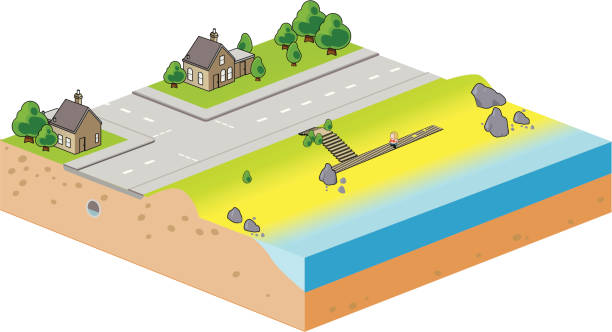
Understanding Flood Zones in Baton Rouge: What Homebuyers Need to Know
Flood risk is an important part of buying a home in Baton Rouge. While flood zones can feel complicated, understanding the basics can help you make informed decisions, estimate ownership costs, and move forward with confidence.
What Is a Flood Zone?
A flood zone is a classification used by the Federal Emergency Management Agency (FEMA) to describe a property’s potential flood risk. These classifications are based on factors such as elevation, drainage patterns, nearby waterways, rainfall, and historical flooding.
Flood zones do not necessarily determine whether a home will flood. They are a tool for estimating risk. Even properties outside high-risk zones can experience flooding during severe storms, drainage issues, or unusually heavy rainfall.
Common Flood Zone Designations in Baton Rouge
Zone X
Zone X generally represents areas with a lower or moderate flood risk. Some Zone X properties may be outside the 100-year floodplain, while others may have a lower risk of shallow flooding.
Flood insurance is typically not required by a mortgage lender for homes in Zone X. However, homeowners may still choose to purchase coverage, especially because Louisiana’s intense rain events can create localized flooding.
Zone AE
Zone AE is considered a high-risk flood area and is commonly associated with the 100-year floodplain. Properties in this zone may be subject to specific building and elevation requirements.
If a home is located in Zone AE and the buyer is financing it with a federally backed mortgage, the lender will generally require flood insurance.
Zone A
Zone A is also considered a high-risk area, but detailed elevation information may not be available on the FEMA map. Flood insurance is often required for properties in this category when the home is financed through a federally regulated lender.
Zone VE
Zone VE typically applies to coastal areas exposed to storm waves and is less common in the Baton Rouge area. It is still important to review the specific flood designation shown for any property under consideration.
Why Flood Zones Matter When Buying a Home
Flood zones can affect several aspects of a real estate purchase, including:
Flood insurance requirements
Monthly housing expenses
Mortgage approval
Property value and resale considerations
Building and renovation requirements
The need for elevation certificates or additional inspections
Flood insurance premiums can vary significantly from one property to another. The home’s elevation, construction, foundation type, prior claims, coverage limits, and current insurance regulations may all affect the cost.
For this reason, it is wise to request a flood insurance quote early in the buying process rather than waiting until after an offer is accepted.
How to Check a Baton Rouge Property’s Flood Zone
FEMA’s National Flood Hazard Layer is a useful starting point for reviewing a property’s mapped flood zone. Buyers should also consult local resources and ask questions about the property’s history.
A thorough review may include:
1. Check the current FEMA flood map.
2. Review the seller’s property disclosure.
3. Ask whether the home has experienced flooding or water intrusion.
4. Request information about previous flood insurance claims when available.
5. Obtain an insurance quote before finalizing the purchase.
6. Consider an elevation certificate or flood risk assessment.
7. Review drainage, grading, gutters, retaining walls, and nearby waterways.
8. Ask about any improvements made after previous flooding events.
Flood maps can change over time, and map boundaries do not always tell the complete story. A property may be outside a high-risk zone but still have drainage concerns that deserve attention.
Flood Zones and the Home Inspection
A standard home inspection is essential, but it may not provide a complete flood-risk evaluation. During the inspection, pay close attention to:
Foundation cracks or settlement
Water stains or musty odors
Crawl spaces and under-slab areas
Signs of previous standing water
Electrical or mechanical equipment located near the ground
Grading around the home
Drainage paths and stormwater management
Moisture damage in walls, flooring, and insulation
In some cases, buyers may benefit from additional evaluations by a drainage professional, structural engineer, surveyor, or flood insurance specialist.
Understanding Flood Insurance
Homeowners insurance generally does not cover flood damage. Flood insurance is a separate policy designed to address certain types of water-related losses.
Coverage, exclusions, deductibles, waiting periods, and limits can vary. Buyers should speak directly with an insurance professional to understand what a policy would cover for a particular property.
It is also important to consider that flood insurance may be required even when a home has never flooded. The requirement is usually based on the property’s mapped flood zone and the lender’s guidelines.
Buying in a Flood Zone Can Still Be a Smart Decision
A home located in a flood zone is not automatically a bad investment. Many Baton Rouge properties are located in areas with some level of flood risk, and homeowners successfully manage that risk through proper insurance, maintenance, elevation improvements, drainage solutions, and informed planning.
The key is to understand the property’s risk before making a purchase decision. A well-informed buyer can evaluate the total cost of ownership, negotiate when appropriate, and determine whether the home fits their long-term goals.
Work With a Local Real Estate Professional
Flood zones are only one part of the Baton Rouge home-buying process, but they deserve careful attention. A knowledgeable local real estate professional can help you review available records, identify important questions, coordinate inspections, and connect you with insurance and lending professionals.
The Houk Group helps buyers look beyond the surface of a property so they can make confident decisions about their next home. Understanding flood risk early is an important step toward a successful Baton Rouge real estate purchase.
Contact The Houk Group
Email: admin@timhouk.com
Phone: 225-234-0022
Instagram: houkgroupbatonrouge
YouTube: movetobatonrouge

Tim Houk
| The Houk Group | Keller Williams Red Stick Partners | PLACE
or another way